Essential Tips for Choosing Back Brake Caliper for Optimal Performance?

Time:2026-05-31 Author:Amelia
0%

Choosing the right back brake caliper is vital for your vehicle’s performance. This component plays a crucial role in your braking system. A high-quality caliper enhances stopping power and safety.

Different vehicles require specific calipers. It’s important to match the caliper with your car’s model and performance needs. Many overlook this detail, which can lead to suboptimal performance. You might also consider materials and design. Some calipers offer better heat resistance, while others focus on weight reduction.

Researching reliable brands is essential. Trusted manufacturers provide quality assurance. Reading user reviews can give you insight into their experiences. Remember, a poor choice could compromise your safety. Take time to weigh your options carefully. Finding the right back brake caliper can greatly improve your driving experience. Reflect on both aesthetics and functionality before making your decision.
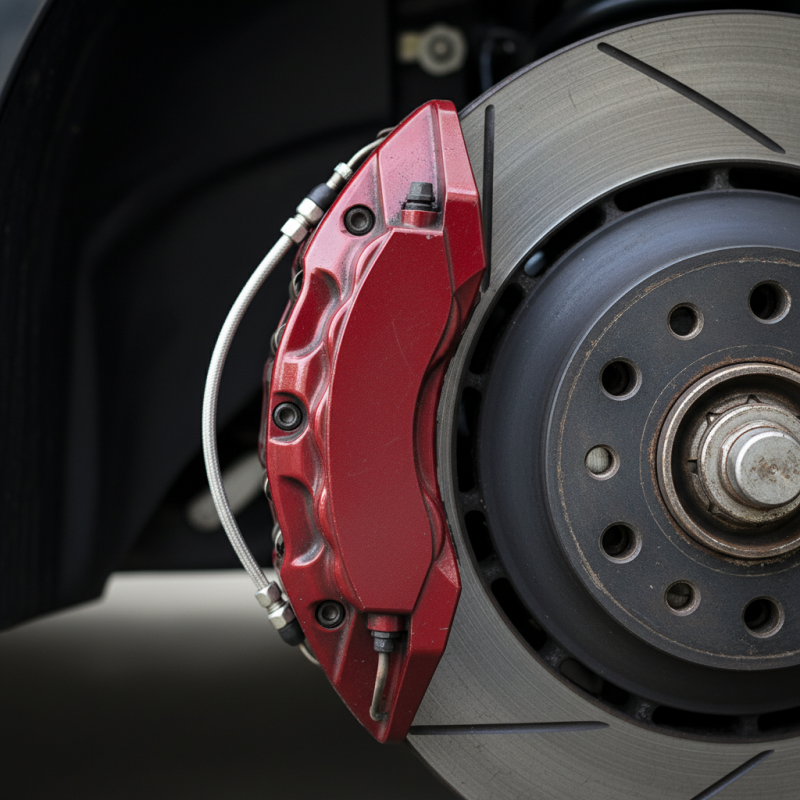
Essential Tips for Choosing Back Brake Caliper for Optimal Performance?

Understanding the Role of Back Brake Calipers in Vehicle Performance

Back brake calipers play a crucial role in vehicle performance. They are responsible for applying pressure to the brake pads, which then clamp onto the rotor, slowing down the vehicle. When these calipers malfunction, it can lead to uneven braking and increased wear on other components. This can compromise overall safety and efficiency, making understanding their function essential for every vehicle owner.

Choosing the right back brake caliper requires knowledge and careful consideration. Factors like compatibility with your vehicle type, material durability, and design impact performance. For instance, aluminum calipers are lighter and resistant to corrosion, which can improve handling. It’s important to consult a professional if you are unsure about the specifics. Many people make the mistake of choosing based solely on aesthetics or price, overlooking critical performance aspects.

Regular maintenance can enhance the life of your calipers. Checking for leaks and wear is vital. You should also pay attention to any unusual sounds during braking. Often, drivers ignore these signs, leading to bigger issues later. Taking the time to reflect on your braking system will not only enhance safety but also improve your driving experience. Proper brake performance ultimately ensures your vehicle handles smoothly and responds effectively to your commands.

Key Differences Between Various Types of Brake Calipers

When selecting a back brake caliper, understanding the key differences between various types is crucial. There are primarily two types: floating and fixed calipers. Floating calipers are generally lighter and offer a simpler design. They provide adequate stopping power for daily drivers. However, they may not deliver the same performance under extreme conditions.

Fixed calipers, on the other hand, are designed for high-performance situations. They have pistons on both sides of the rotor, providing even pressure and better heat dissipation. According to industry data, vehicles equipped with fixed calipers often experience a 20% increase in braking efficiency. This is especially important for sports cars and heavy-duty vehicles.

Choosing a brake caliper also involves considering material. Aluminum calipers tend to be lighter and resist corrosion, yet they can often be more expensive. Steel calipers are robust but heavier. Each choice affects vehicle dynamics and overall performance. A 2019 report by the Automotive Research Institute highlighted that 30% of brake issues are linked to improper caliper selection. Thus, it's vital to analyze usage scenarios and consultation with professionals for the best fit.

Factors to Consider When Selecting a Back Brake Caliper

When selecting a back brake caliper, several critical factors demand attention. The caliper's design and material significantly affect weight and heat dissipation. Research indicates that lightweight aluminum calipers can provide a performance boost by improving vehicle responsiveness. Corrosion resistance in the caliper material also plays a role in longevity and safety. A study by the Society of Automotive Engineers highlights that vehicles with superior brake components experience a 15% increase in stopping performance.

Compatibility with the braking system is crucial. Different vehicles require specific caliper designs to ensure optimal function. A mismatched caliper can lead to uneven brake wear and reduced effectiveness, impacting overall vehicle safety. Additionally, calipers with multi-piston designs often enhance braking performance by evenly distributing force. However, some users find replacing these complex systems challenging.

It's important to consider the maintenance aspect as well. Some calipers may require frequent adjustments or special tools for installation. In a survey conducted among automotive technicians, nearly 40% reported that improper installation is a common issue leading to brake failure. This underscores the need for thorough research and professional guidance when choosing a back brake caliper.

How Material Choices Impact Brake Caliper Performance

When selecting a back brake caliper, material choice plays a critical role in performance. Most calipers are made from aluminum or cast iron. Aluminum calipers are lightweight, improving handling and efficiency. However, they may not provide the same thermal stability as cast iron. A study by the Society of Automotive Engineers (SAE) indicates that aluminum can lose substantial strength at elevated temperatures, which may lead to diminished braking performance.

On the other hand, cast iron calipers offer excellent heat resistance. They can handle higher temperatures without significant deformation. In extreme conditions, this can enhance reliability and ensure consistent braking performance. Yet, this material choice can increase the overall weight of the vehicle. A report from the International Journal of Automotive Engineering highlights that heavier caliper designs can negatively impact acceleration and fuel efficiency.

Brake fluid compatibility is another aspect often overlooked. Certain materials can react poorly with specific brake fluids. This can lead to corrosion or failure, compromising safety. Selection must be tempered by considering the overall system and intended use. Reflecting on these factors illustrates how critical material choice is in brake caliper design and performance.

Maintenance Tips for Ensuring Longevity of Brake Calipers

Brake calipers play a vital role in vehicle safety and performance. To enhance their longevity, regular maintenance is essential. Start by checking the brake fluid levels routinely. Low fluid can lead to caliper failure. Make it a habit to inspect the calipers for any signs of wear or leakage. Even minor issues can worsen if left unchecked.

Cleaning the calipers is equally important. Accumulated dirt can cause corrosion, affecting their functionality. Use a soft brush and brake cleaner to remove grime. Don't forget to lubricate the caliper pins. Proper lubrication ensures smooth movement and prevents premature wear.

Pay attention to your driving style as well. Aggressive braking can lead to faster wear. If you notice unusual noises, investigate immediately. Delaying checks can lead to costly repairs. Maintaining brake calipers requires vigilance and effort, but it is crucial for vehicle safety.

FAQS

: What are back brake calipers?

: Back brake calipers apply pressure to brake pads. They clamp onto the rotor, slowing down the vehicle.

Why are back brake calipers important?

They impact vehicle performance and safety. Malfunctioning calipers can lead to uneven braking and increased wear.

How can I choose the right back brake caliper?

Consider compatibility, material, and design. Don't focus solely on aesthetics or price.

What maintenance should I do for brake calipers?

Regularly check fluid levels, inspect for wear, and listen for unusual sounds.

How does aggressive driving affect brake calipers?

Aggressive braking leads to faster wear on calipers, reducing their life and performance.

What signs indicate brake caliper issues?

Look for fluid leaks, corrosion, and strange noises when braking. Address these quickly.

How can I clean my brake calipers?

Use a soft brush and brake cleaner to remove dirt. This prevents corrosion and maintains functionality.

Why is lubrication important for brake calipers?

Proper lubrication ensures smooth movement of the calipers and prevents premature wear.

Can ignoring brake caliper maintenance be costly?

Yes, neglecting checks can lead to expensive repairs and impact vehicle safety.

Is regular maintenance time-consuming?

It requires effort and attention, but taking time for calipers is crucial for your safety and performance.

Conclusion

When it comes to optimal vehicle performance, the back brake caliper plays a crucial role in ensuring effective stopping power and overall safety. Understanding the distinctions between various types of brake calipers, including fixed and sliding designs, is essential for making informed decisions. Factors such as vehicle type, driving conditions, and personal driving style should be considered when selecting a back brake caliper. Additionally, the choice of materials—ranging from aluminum to cast iron—can significantly affect the weight, durability, and thermal performance of the caliper.

To ensure longevity and consistent performance, regular maintenance is vital. This includes periodic inspections, keeping the calipers clean, and addressing any issues such as leaks or wear promptly. By considering these essential tips, drivers can select the best back brake caliper to enhance their vehicle's braking efficiency and overall performance.


Amelia

Amelia

Amelia is a seasoned marketing professional with a wealth of expertise in our company’s core offerings. With an unwavering passion for driving growth and innovation, she plays a pivotal role in shaping our marketing strategies and enhancing brand visibility. A key aspect of her responsibilities......