2026 How to Choose the Right Wheel Caliper for Your Needs?

Time:2026-06-19 Author:Liam
0%

Choosing the right Wheel Caliper is crucial for vehicle performance and safety. A recent industry report highlights that improper caliper selection can lead to a 30% increase in brake-related failures. Ensuring your caliper matches your vehicle type and driving conditions can significantly enhance braking efficiency.

Many drivers overlook the importance of caliper design and materials. A lightweight aluminum caliper can improve response time, while a robust iron caliper may provide better durability for heavy-duty vehicles. As research shows, 70% of drivers replace their calipers without understanding the implications, which can compromise safety.

In the evolving automotive landscape, technology plays a vital role. Advances in caliper design are making them more efficient and reliable than ever. Yet, despite these innovations, many still make choices based on price alone. Understanding your needs and the specifications of your vehicle can lead to better performance and longer life for your brake system.
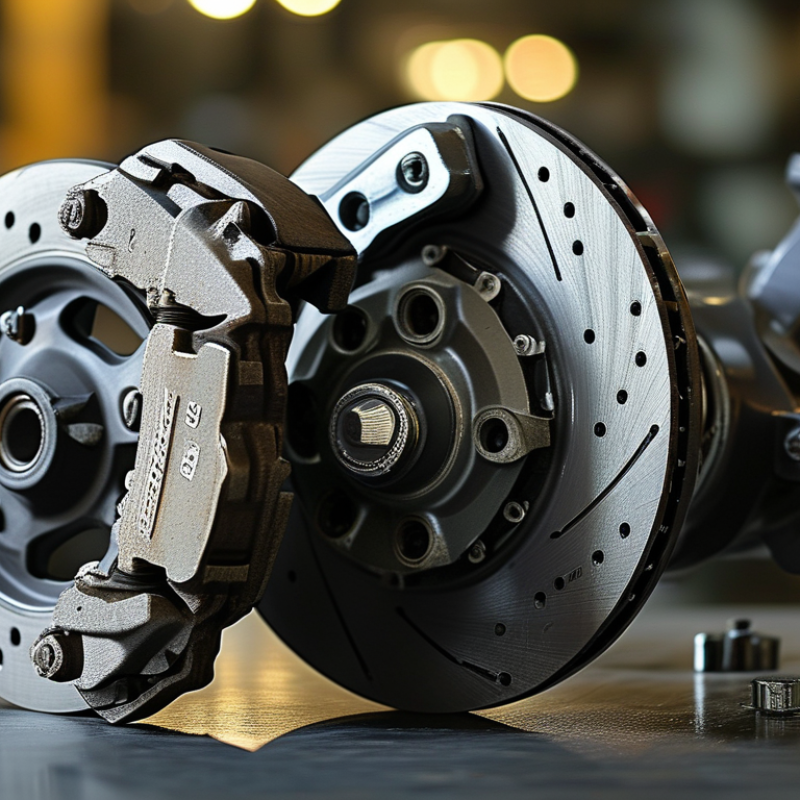
2026 How to Choose the Right Wheel Caliper for Your Needs?

Understanding Wheel Calipers: Types and Functionality

When choosing a wheel caliper, understanding the types and their functionality is crucial. Wheel calipers primarily fall into two categories: floating and fixed calipers. Floating calipers are lighter and more common in everyday vehicles, allowing for easier installation and maintenance. Fixed calipers, however, provide better stopping power and are often seen in high-performance cars. Research indicates that fixed calipers can increase stopping efficiency by up to 30% compared to floating ones.

The material of the caliper also influences performance and weight. Materials like aluminum are popular for their strength and lightweight properties, contributing to overall vehicle agility. A 2022 industry report showed that aluminum calipers can reduce weight by up to 40% compared to traditional cast iron options. This reduction significantly improves braking response. However, aluminum has its drawbacks, such as increased thermal expansion, which can lead to performance inconsistencies.

Another aspect to consider is the design of the piston. Single-piston designs are budget-friendly but can result in uneven wear over time. Multi-piston designs, while more expensive, offer better force distribution, improving brake responsiveness. Careful consideration of these elements can lead to better decision-making when selecting the right wheel caliper for specific driving needs.

2026 How to Choose the Right Wheel Caliper for Your Needs?

This chart illustrates the distribution of different types of wheel calipers and their functionalities to help you choose the right one for your needs in 2026.

Factors to Consider When Choosing Wheel Calipers

Choosing the right wheel caliper can be challenging. Several factors need to be evaluated thoroughly. Start by considering the material. Common materials include aluminum and cast iron. Aluminum calipers are lightweight and provide better performance. However, cast iron calipers are often more durable under extreme conditions. Assess what fits your driving style best.

Next, look at the design type. There are fixed and floating calipers. Fixed calipers offer better stopping power and rigidity. Floating calipers, however, are lighter and generally easier to install. Think about your braking needs. Are you using your vehicle for daily commuting or high-performance driving? Your choice should reflect your priorities.

Don't overlook the size compatibility. Ensure the calipers fit your wheel size and brake rotor. A mismatch can lead to performance issues. Additionally, pay attention to the piston size. Larger pistons provide more force but can affect modulation. Always read reviews or seek expert opinions. Although they may seem minor, these factors can significantly impact your safety and performance.

2026 How to Choose the Right Wheel Caliper for Your Needs? - Factors to Consider When Choosing Wheel Calipers

Factor Description Importance Level
Material The type of material used can affect durability and performance. High
Compatibility Ensure the caliper fits the wheel size and type of your vehicle. Critical
Performance Consider the braking performance and heat dissipation capabilities. High
Weight Lighter calipers improve handling but may sacrifice durability. Medium
Cost Budget constraints can affect material and performance choices. High
Installation Consider whether professional installation is required. Medium

Compatibility with Your Vehicle: What You Need to Know

Choosing the right wheel caliper for your vehicle is crucial for optimal performance and safety. Compatibility is one of the most important factors to consider. According to a 2022 report from the Automotive Parts Association, about 75% of brake system failures are linked to improper component compatibility. Knowing the specifications of your vehicle, including make, model, and year, is essential to avoid costly mistakes.

Tip: Always check your vehicle’s manual for specific caliper recommendations. Some calipers may not fit certain models due to design differences. It’s advisable to consult with a professional mechanic if you're unsure.

Another aspect to consider is the material of the caliper. Aluminum and cast iron are common options, each offering distinct advantages. A 2023 study in the Journal of Automotive Engineering highlighted that aluminum calipers are lighter and dissipate heat better, enhancing performance. However, cast iron calipers tend to be more robust, which can be beneficial for larger vehicles.

Tip: Consider your driving conditions. If you frequently drive in hilly areas or engage in heavy towing, a more durable caliper may be necessary. It's also wise to regularly inspect your calipers, as wear and tear can affect their effectiveness over time.

Performance Features: Enhancing Your Driving Experience

Choosing the right wheel caliper can significantly improve your driving experience. It's crucial to consider performance features that enhance both safety and handling. A well-designed caliper responds better to braking force. It offers a shorter stopping distance, making it essential for those who drive in challenging conditions. Look for models that provide consistent performance across various temperatures. Heat management is vital, especially during heavy braking.

Another aspect is the material used in caliper construction. Aluminum helps reduce weight without sacrificing strength. Lightweight calipers can improve vehicle dynamics. A good caliper should handle the rigors of daily driving and occasional hard stops. Think about the friction material as well. It can influence braking feel and lifespan.

Installation is an often-overlooked element. An imperfect fit can lead to issues down the line. Make sure to follow manufacturer specifications closely. Understand that not all calipers are universal. Pay attention to the specific needs of your vehicle. In the long run, the right choice can create a smoother, safer driving experience. Always seek expert advice to ensure your selection aligns with your priorities.

Maintenance Tips for Prolonging the Life of Calipers

Maintaining your wheel calipers is essential for optimal performance. Calipers are critical for safe braking, and they endure significant wear. According to a 2022 industry report, nearly 30% of brake issues stem from caliper neglect. Regular checks can mitigate these problems.

Begin with a visual inspection. Look for rust, leaks, or uneven wear on brake pads. Professionals recommend cleaning calipers regularly. Using a soft brush and a gentle cleaner can prevent debris build-up. This simple step could extend the life of your calipers significantly. In fact, routine maintenance can save you up to 25% on potential repair costs, as per automotive maintenance guidelines.

Additionally, lubricating caliper guide pins is crucial. Proper lubrication prevents seizing and ensures smooth operation. Reports indicate that over 20% of caliper failures are due to poor lubrication practices. Addressing this can enhance performance and safety. Regularly flushing brake fluid is also vital. Moisture can corrode internal components, leading to premature failure. Frequent fluid changes help preserve the integrity of your braking system.

FAQS

: What are the main types of wheel calipers?

: Wheel calipers mainly come in two types: floating and fixed. Floating calipers are lighter and easier to maintain.

How does the material of the caliper affect performance?

Materials like aluminum are lightweight and improve braking response. However, they can expand more under heat, causing issues.

Why are single-piston designs often less desirable?

Single-piston designs are budget-friendly, but they can cause uneven wear over time, affecting braking performance.

What should I consider regarding caliper size?

Ensure the calipers fit your wheel size and brake rotor. Mismatched sizes can lead to significant performance issues.

How can caliper compatibility affect vehicle safety?

Improper component compatibility is linked to many brake failures. Always check your vehicle’s specifications before buying calipers.

What driving conditions might influence caliper choice?

If driving in hilly areas or towing, you should consider more durable calipers. Conditions can sharply affect brake performance.

Should I consult a professional when choosing calipers?

Yes, it's wise to consult a mechanic if unsure. They can help you avoid costly mistakes due to compatibility issues.

How important is piston size in wheel calipers?

Larger pistons provide more force but can affect modulation. It's essential to balance force and control for optimal performance.

Can I always trust reviews when selecting wheel calipers?

While reviews can provide insights, they aren't foolproof. Personal research and expert opinions can lead to better choices.

How often should I inspect my calipers?

Regular inspections are essential. Wear and tear can significantly impact effectiveness, thus ensuring safety and performance.

Conclusion

When selecting the right wheel caliper for your needs, it’s essential to understand the different types and functionalities they offer. Wheel calipers play a crucial role in your vehicle's braking system, and knowing their features can significantly enhance your driving experience. Key factors to consider include compatibility with your vehicle, performance attributes, and maintenance practices that can prolong the life of the calipers.

To ensure optimal performance, choose wheel calipers that not only fit your vehicle correctly but also match your driving style and conditions. Regular maintenance, such as checking for wear and tear, can help maintain their effectiveness. By understanding these elements, you can make an informed decision that will ultimately enhance safety and driving enjoyment.


Liam

Liam

Liam is a dedicated marketing professional with a profound expertise in the industry, where he excels at highlighting the unique advantages of our core products. With a keen understanding of market trends and consumer needs, Liam frequently updates our company’s professional blog, providing......